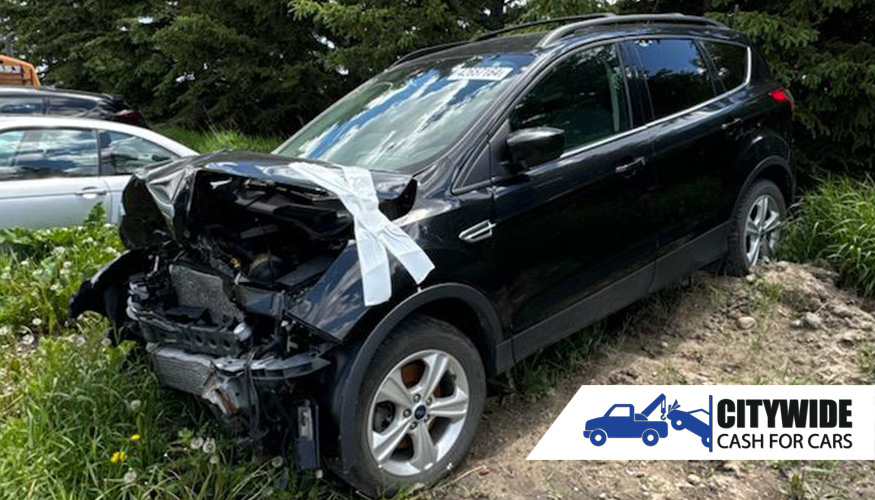
Selling a Totaled Car Calgary – Top Cash Offers

A totaled car can drain your patience long after the crash is over. One day you are arguing with insurance, and the next you are staring at a damaged vehicle that still takes up space and still costs you mental energy. Selling a Totaled Car Calgary is often the fastest way to turn that mess into money, but only if you know what the car is still worth and who actually buys it. Most owners make the same mistake: they treat a write-off like a dead asset. It is not. A totaled car can still hold value in parts, scrap metal, reusable components, and timing. The trick is knowing when to stop thinking like a driver and start thinking like a seller.

A totaled car is not worthless, and that changes everything

Most people hear “total loss” and assume the vehicle is finished. Insurance companies do not use that label because your car has no value left. They use it because repair costs, market value, and claim economics stopped making sense on their side of the table. That difference matters. If you miss it, you end up accepting the first low offer that comes your way. If you understand it, you start seeing the vehicle for what it is now: an asset in a different lane.

Insurance wrote it off, but the market still sees pieces of value

Insurers call a car a total loss when the math breaks, not when the metal turns to dust. In Alberta, a salvage vehicle has to pass the required inspection process before it can be re-registered for road use, which is one reason many owners choose to sell rather than rebuild. You are not selling the same promise you sold when the car was clean and road-ready. You are selling salvageable parts, body panels, wheels, catalytic converters, electronics, and metal weight. That changes the buyer pool completely. That is also why a serious buyer asks sharper questions than a casual marketplace shopper. They care about the engine status, airbags, drivetrain, rust, and access for pickup. They are buying value hidden under damage. Not fantasy.

Why private buyers get skittish after a write-off

Private buyers love the idea of a deal until the word “totaled” enters the chat. Then they start picturing hidden frame damage, insurance headaches, and a project that eats weekends like popcorn. You can still sell privately, but it gets ugly fast. You answer messages from people who want dealership-level certainty at backyard-sale pricing. They ask for a discount before they even ask where the car is parked. That is why many owners pivot toward a direct buyer. A company already working in cash for cars Calgary knows how to value damage without turning your phone into a second job.

Price comes from what survives, not what you paid years ago

Once you accept that the old retail value is gone, the real work begins. A totaled car does not get priced by your memories, your recent repairs, or the amount you still owe on it. It gets priced by what remains useful. That sounds blunt because it is. Yet it is also the cleanest way to stop guessing and start negotiating from solid ground.

The parts, metal, and brand status all push the number

A newer truck with front-end damage can still carry strong value if the drivetrain, doors, interior, and wheels are intact. An older sedan with a blown engine may still pay out decently if catalytic converters, alloy rims, and body parts are reusable. Brand status matters too. Alberta treats salvage branding seriously, and that affects what the next buyer can do with the vehicle. Official guidance says salvage vehicles need inspection and registration steps before they return to the road, while AMVIC stresses vehicle-history disclosure and recommends checking reports like Carfax or Alberta’s Vehicle Information Report. Here is the part people hate hearing: your old upgrades rarely pay back dollar for dollar. The new tires help. The stereo barely moves the needle. That is not unfair. That is salvage math.

Small details can change your offer more than owners expect

Missing keys can hurt the price. So can a dead battery if the buyer cannot verify mileage or power up electronics. A vehicle buried behind two others in a tight lane can also cost you money because pickup gets harder. Photos matter more than sellers think. A clear set of images showing the VIN, odometer, all four corners, interior, engine bay, and the main damage usually leads to a firmer offer with less back-and-forth. Clean out the cabin before you request a quote. It sounds minor. It is not. A car full of junk signals headaches, and buyers price headaches into the offer every single time.

Alberta paperwork matters more than bravado

A lot of bad advice floats around this topic. Someone always says, “Just sign it over and be done.” That kind of casual shortcut can create the exact headache you were trying to escape. You need the sale handled properly. Especially with a totaled vehicle. Calgary buyers who know the rules are worth more than flashy promises because they keep the deal from boomeranging back into your life later.

What you need to disclose when selling a write-off

If a vehicle has a serious damage history, hiding that fact is reckless and stupid. AMVIC says certain vehicle history information must be disclosed to consumers, and it points buyers and sellers toward current history reports and checklists for that reason. A real buyer will ask direct questions about collision damage, insurance write-off status, flood exposure, theft recovery, and whether the vehicle still rolls, steers, or starts. Those questions are not a nuisance. They are a sign you are dealing with someone competent. Be honest early and you save time later. Sellers who play cute with damage details almost always get lower final offers because the buyer expects another surprise waiting around the corner.

Ownership, title gaps, and the paperwork traps people hit

The cleanest deal happens when you have valid ID, proof of ownership, and the vehicle details ready to go. Life, of course, does not always hand you the clean version. Your site already speaks to that reality. Citywide Cash for Cars says it can often buy vehicles without title in some cases, offers free towing, and handles pickup across Calgary and nearby communities. That said, missing paperwork can slow things down if names do not match, liens are unclear, or the vehicle belongs to an estate or company. This is where experienced buyers earn their money. They spot the issue fast and tell you what actually needs fixing.

The best buyer is not always the one shouting the loudest

The Calgary market has no shortage of people claiming they pay “top cash.” Some do. Some just bought a decent website and a louder phone voice. You need a buyer whose process fits a totaled car, not a buyer who treats every vehicle like a generic clunker. That difference shows up in the questions they ask, the pickup options they offer, and how hard they try to cut the price once the truck arrives.

Why specialist buyers beat dealers and random junkyards

Dealers usually do not want a write-off unless it helps another deal. Their interest is thin, and their offer often reflects that. They are not in the mood to babysit a salvage problem. A pure metal recycler may offer something quick, but some leave money on the table because they care more about weight than reusable parts. A specialist buyer sees both angles. Parts. Scrap. Demand. Timing. That is why this subtopic belongs in the article. A totaled SUV with a healthy engine and good interior is not just scrap by the kilo. Treating it that way can cost you real money.

Towing, timing, and pickup logistics make or break the deal

A decent offer means less if the buyer cannot pick up for five days while your condo board keeps sending notices. Timing matters. So does towing. Citywide Cash for Cars emphasizes free towing, same-day or next-day service in many Calgary areas, and buying vehicles in almost any condition. Those details matter a lot more with totaled vehicles because many cannot be driven legally or safely. This is also where scrap car removal Calgary becomes part of the conversation, even if the car started as an insurance write-off. Sometimes the smartest move is not repair, not rebuilding, not waiting. Just removal, payment, and closure.

The smartest sale happens before the tow truck arrives

Most sellers think the deal is done when they get the quote. Wrong. The deal gets protected by what you do between the quote and pickup. That final stretch is where people lose money, delay pickup, or invite confusion. A little preparation does more than make you feel organized. It keeps the offer solid and the handoff clean.

How to prepare the car so the offer holds up

Take your plates off before pickup if the buyer tells you to. Remove all personal items, garage remotes, work badges, toll devices, sunglasses, and those random papers breeding in the glove box. Gather what supports the sale: ownership documents, keys, repair invoices if they matter, and honest photos if the buyer quoted from a distance. Nothing kills trust faster than a quote built on “light damage” turning into a vehicle with deployed airbags and a folded frame. Be ready for access questions too. Can the tow truck reach the vehicle? Are there condo restrictions? Is the car blocked in? Simple answers speed the job up and keep your price from wobbling.

The right next step if you want cash without more drama

Ask for a firm quote based on real details, not a teaser number designed to get the truck to your driveway. The difference shows up when the driver arrives and suddenly “finds” reasons to shave hundreds off the deal. Choose the buyer who sounds experienced, explains the process clearly, and talks about pickup like they have actually done this before. Fancy slogans do not move damaged cars. Competence does. If you are stuck between rebuilding and selling, be honest about your appetite for risk. Rebuilding a salvage vehicle in Alberta takes money, time, inspections, and patience. Selling is often the sharper move for ordinary owners.

Conclusion

A totaled car puts you at a fork in the road. One path drags you through repairs, inspections, delays, and the kind of uncertainty that keeps eating weekends. The other path gets honest about what the vehicle is worth now and turns it into cash while that value still exists. Selling a Totaled Car Calgary works best when you stop chasing yesterday’s retail price and start judging today’s real options with a cool head. My view is simple: most owners should sell sooner, not later. Damage ages badly, storage solves nothing, and hesitation rarely adds dollars. Get your documents together, request a real quote, and choose a buyer who can tow, pay, and close the deal without games. Then move on with your life.

FAQs

How do I sell a totaled car in Calgary fast?

Gather ownership, keys, photos, and damage details first. Then request a firm quote from a local buyer who includes towing. Speed comes from clarity, not desperation or guesswork.

Can I sell a totaled car in Calgary without repairs?

Yes, you can sell it as-is. Most direct buyers price the vehicle from salvageable parts, metal, condition, and pickup difficulty, so repairs usually waste money instead of raising value.

What paperwork do I need when selling a totaled car in Alberta?

Bring photo ID, proof of ownership, keys if available, and any lien details. Honest paperwork speeds the sale, protects you later, and helps the buyer complete transfer steps.

Is selling a totaled car better than rebuilding it in Calgary?

For most owners, yes. Rebuilding costs money, time, inspections, and patience. Selling usually makes more sense when damage is serious, resale drops hard, or you need cash quickly.

Who pays the most cash for a totaled car in Calgary?

The best buyer is usually a specialist who values parts and scrap, not just metal weight. Compare firm offers, towing terms, and pickup timing before choosing anybody. For publishing, I’d internally link this piece to your Calgary location page and your scrap-car-removal service page, and add FAQ schema plus Article schema so it can compete for rich results.