

The Legal Process of Selling a Deceased Person’s Car in Alberta | A Step-by-Step Guide
If a family member dies There are many responsibilities to fulfill and one of them may include selling their vehicle. If you're the executor for your estate or have a relative charged with the management of their possessions you may be asking how to market the car of a deceased individual in Alberta. It can be a daunting task because of the legal requirements and paperwork however it doesn't have to be. This guide will take you through legal procedures along with the required requirements, as well as tips that will help you to sell your vehicle in a timely manner while remaining compliant with Alberta's rules.
Understanding the Basics: What You Need to Know
In Alberta, like in many provinces, selling a deceased person's vehicle is a process that requires certain steps. As opposed to selling a car you own for yourself the process of selling a deceased's vehicle requires navigating probate and working with an executor of the estate. Alternatively, you may have to deal with transfers of ownership using different legal ways. Before you sell the vehicle it is essential to understand the following information:- Estate Administration: If a person dies the assets of their estate, including automobiles, become part of their estate. The estate needs to undergo the probate process before any assets are transferred or sold. If the vehicle is part of the estate, then the individual accountable in the administration of the estate (usually the executor) is required to oversee the sale.
- Probate Procedure Probate is a legal procedure that confirms the decedent's will and gives the executor the power to oversee and distribute assets. If there isn't a will in place, then the judge chooses an administrator to manage the estate. This process could take time and you might not be able to sell your vehicle until the probate process has been completed.
- Ownership Transfer Transfer of ownership to a vehicle requires a particular paperwork that must be submitted to Service Alberta or at an Alberta Motor Association (AMA) location.
- Outstanding Liabilities and Loans If there are unpaid loans or other debts owed to the vehicle, they should be resolved prior to selling the vehicle. The executor must determine if the value of the vehicle will be sufficient to cover the liabilities, or if they need to be paid using other assets of the estate.
Step-by-Step Process of Selling a Deceased Person's Car in Alberta
1. Obtain the Death Certificate
The primary document you'll require is the Death certificate. This document is essential for proving the death of the owner of the vehicle. It will be required in a variety of steps such as proving ownership and taking care of the probate procedure. You can obtain this certificate by contacting the Alberta Vital Statistics office.2. Probate the Estate
If the person who died had a valid will, the probate process starts. If there's no will then it is the Public Trustee or the administrator appointed by the court will manage the estate. Probate typically consists of:- Inquiring to the court for the Probate grant.
- Confirming the Will (if there's one).
- The appointment of an executor is to oversee the estate, which includes the deceased's vehicle.
3. Determine the Ownership of the Car
If you've got the death certificate, and you have completed a probate procedure, it is time to determine who owns the vehicle. In Alberta the name listed on the title of the car is the legal proprietor, and the title needs to transfer to the next owner after the vehicle is sold. If the vehicle of the deceased was owned jointly the owner who survived may take full ownership of the vehicle without having to undergo probate. If the car was owned solely by the name of the deceased person the vehicle will be transferred to the estate.4. Settle Any Liabilities or Loans on the Vehicle
If the person who died was a borrower to the vehicle or owed money in connection with the vehicle, those debts need to be settled prior to selling the vehicle. As executor, you'll have to examine whether the car can be used to pay these costs. If the vehicle is in the process of being financed, you might have to reach out to the lender to discuss a settlement or to settle the remaining balance. If the car is a victim of outstanding debts, the liabilities should be dealt with by the estate. This is a vital step prior to selling the vehicle.5. Obtain the Vehicle Title and Registration
To sell a vehicle in Alberta you'll require the original title to the vehicle and registration. The title to the vehicle confirms ownership while the registration confirms that the car is legal and registered within Alberta. If you lose these documents they can be requested in duplicate by contacting Service Alberta. The title needs to be handed over to the owner (whether it's an individual from the family, a buyer or a scrapyard) when the car is sold. If the vehicle is registered in the name of a deceased person the title has to transfer to their executor or estate prior to selling the car.6. Decide on the Best Selling Option
Once you've gathered the required documents and paid off all outstanding loans, it's time to decide on the best way to dispose of the vehicle. There are several choices:- Private Sales You may sell your car privately, whether by advertising it on the internet or via word-of-mouth. But, it could mean waiting for a buyer, and possibly negotiations. Also, you'll have to ensure that all required documents, such as your bill of sale as well as title transfer, are completed.
- Sales at the Dealership selling the vehicle to a dealer is easy and simple. But, they will usually offer a lower price than market value due to the fact that they have to sell the car at a profit. Remember that the dealership might require evidence of the death as well as the proper documents to register the vehicle.
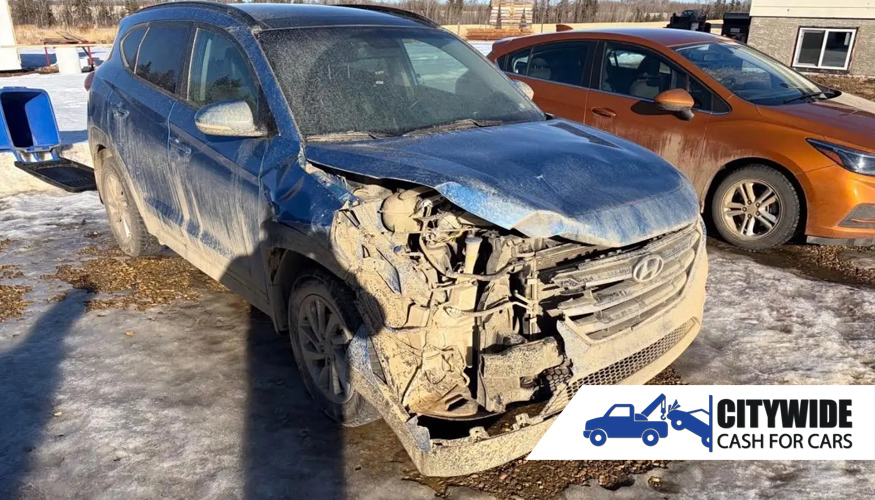
- Scrap and Junk Car Sale: If your car is in poor condition then selling it to a scrapyard or junk dealer could be the best alternative. They usually offer cash at the time of sale and take care of the paperwork and towing for you.
7. Complete the Transfer of Ownership
After you've sold your car the next stage is to finish the transfer to the new owner. The process can be completed at Service Alberta or the AMA. It is required to supply:- Documentation that you have died (death document).
- The title of the vehicle.
- A valid invoice of purchase (if relevant).
- The registration information of the deceased.
Key Tips for Selling a Deceased Person's Car in Alberta
- Contact a lawyer: Selling the vehicle of a deceased person could be complicated by legal issues that need expert guidance. If you're not sure about probate procedures or require assistance in handling the property, it's always a great suggestion to talk with an estate attorney.
- Keep meticulous records Make sure to keep accurate notes of any transactions, including invoices of sale and title transfer, and receipts for debts paid. This will prevent legal issues later on.
- Look for other assets If the car is part of an estate, you might need to handle other assets. Prepare yourself to manage the car as well as other assets, such as banks, property, or personal items.
- Learn about Tax implications Selling the vehicle of a deceased person could result in tax implications. Talk to an accountant to ensure the sale is properly recorded particularly if there are significant profits of the transaction.
